
By RJ Burnham, CEO, Consig
When a patient's phone rings, two questions decide whether the call works: are we sure who answered, and is the patient sure it's really us? Trust in healthcare communication is broken in both directions — and closing that gap is the problem we built Consig to solve.
Most outbound voice handles the first question with knowledge-based prompts — name, date of birth — that are barely security at all. None of that is secret anymore. Meanwhile the stakes keep climbing. In 2025, 38% of Americans received a call from someone impersonating a healthcare provider or insurer, and medical identity theft costs the industry more than $30 billion a year. So when the phone rings, the patient's first thought is a reasonable one: how do I know this is really my doctor?
Consig is built to own the entire outreach call as a single sequence — Connect, Authenticate, Engage, and Handoff — so the platforms that embed us don't have to assemble that stack themselves. Trust lives in the first two steps.

Authenticate: knowing who answered
Today we made the Authenticate step dramatically stronger, announcing a strategic OEM partnership with Journey.ai that embeds their patented Zero Knowledge Network® as the identity layer inside every Consig call. It fits how we already build. Consig runs conversational context firewalls that keep sensitive data out of the model's reach, and Journey extends that protection to identity — verifying credentials and biometrics without those inputs ever entering the AI or the transcript.
It's also more than authentication. The same foundation lets a call safely capture consent, collect health data, or take in a form or record — none of it passing through the AI. Journey is a major piece of this, but it's one building block, not the whole answer.
Connect: proving the call is really us
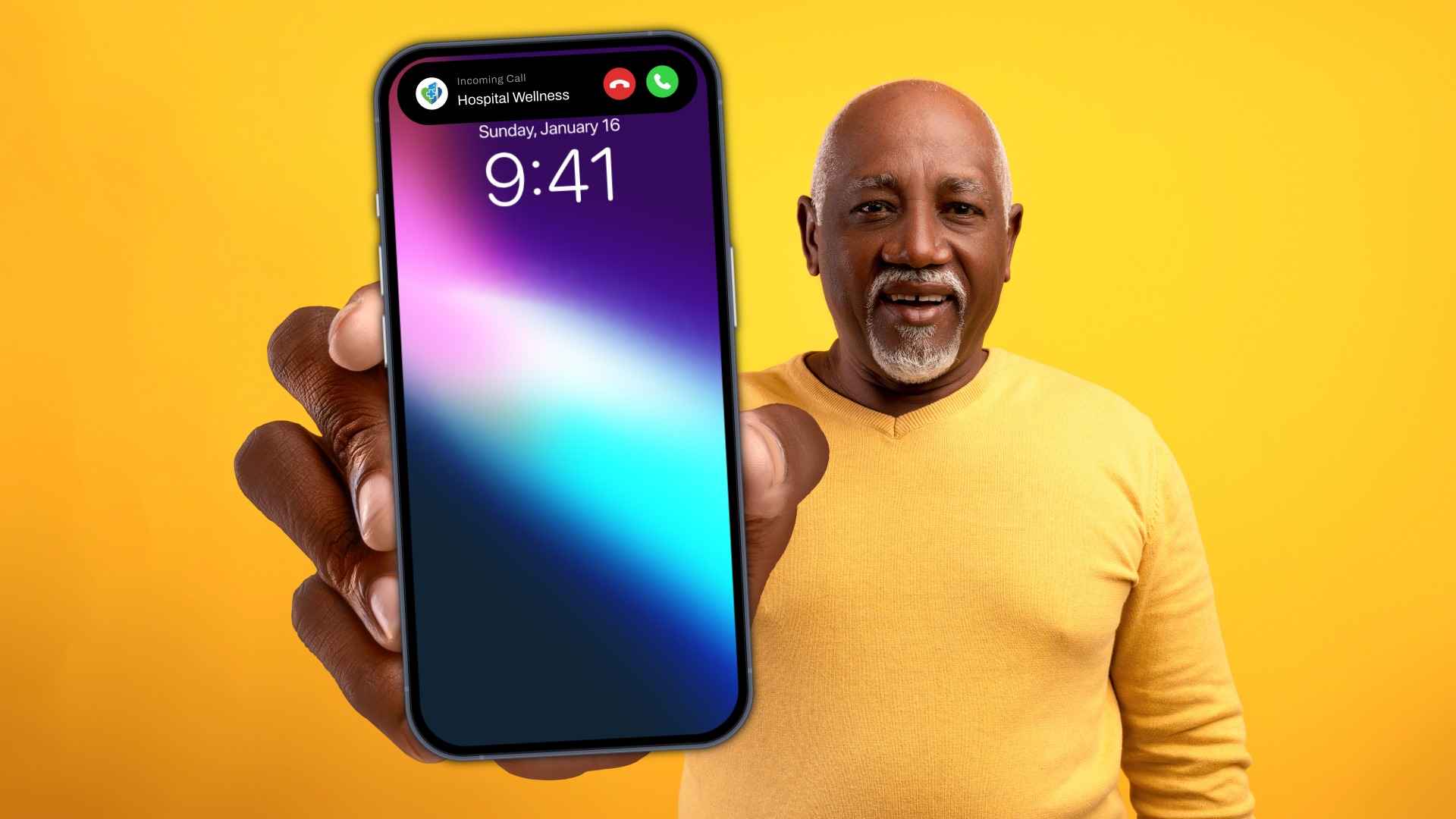
The other half of trust is Connect — the patient believing the call is genuinely from their provider. That takes more layers: branded, verified caller ID so our name shows up attested on the screen, KYC behind the number, and verified sender identity on RCS and messaging. And it has to be done with care. Texting a patient a link to click can feel more like a scam, not less, so the medium itself has to earn trust before the message does.
Rebuilding trust, both directions
Together, Connect and Authenticate start to bring trust back to healthcare communication across every channel — answering both questions the patient and the provider are quietly asking on every call. Authentication was the hardest step, and with Journey it's now built in. The rest of the sequence is where we go next.
Bring trust, authentication, and compliance into every outreach call
Consig is building the trust layer for healthcare outreach — helping platforms connect with patients safely, verify identity without exposing sensitive data, and hand off conversations with confidence.
If your healthcare platform, service provider, or patient engagement team is exploring outbound voice AI, now is the time to rethink trust from the first ring.
Learn more at consig.ai or connect with us to explore how Consig can support your patient outreach strategy.